
From powdered wigs and pioneer braids to modern mullets and textured layers, discover how 250 years of American history shaped the hairstyles we love today.
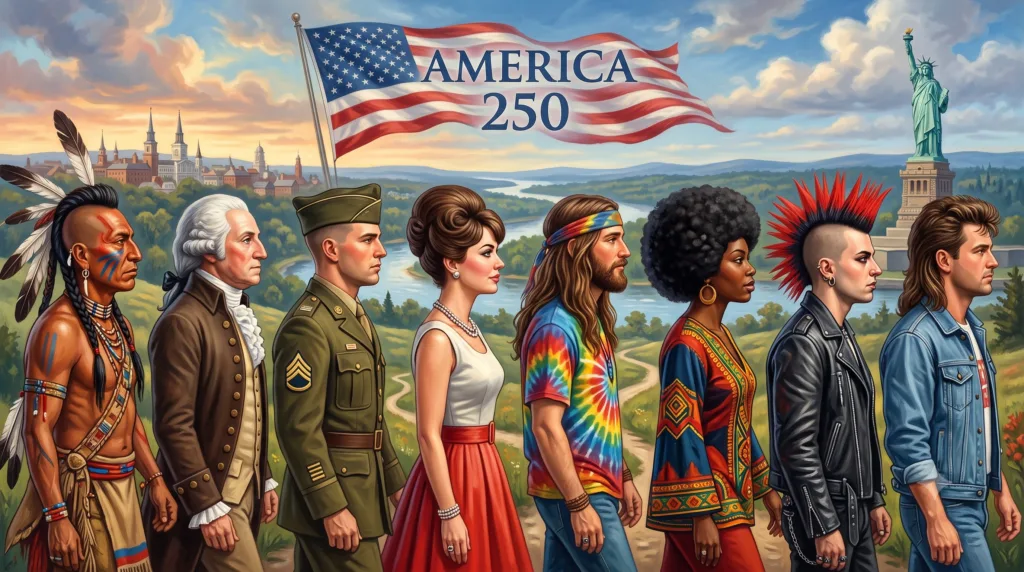
As America celebrates its 250th birthday, there’s never been a better time to look back at the hairstyles that helped shape our nation’s identity. Over the past two and a half centuries, American hair styles have reflected changing cultures, technological innovation, immigration, fashion, social movements, and personal expression. From the powdered wigs worn by the Founding Fathers to the practical braids of Native American tribes, the protective styles preserved by enslaved Africans, the timeless bob, finger waves, beehive hairdos, jheri curls, curtain bangs, textured layers, and today’s throwback to the mullet hairstyle, every generation has left its own indelible mark on the salon chair.
Join us as we take a deep-dive into the fascinating evolution of American hairstyles, discover why so many classic looks have come full circle, and see how history continues to inspire the personalized styles worn by millions of Americans today.
A Nation Built on Many Strands
If there’s one thing Americans have never been afraid to reinvent, it’s our hair.
For nearly 250 years, we’ve curled it, powdered it, braided it, teased it, slicked it back, buzzed it short, grown it long, and transformed it into an endless variety of styles that tell the story of who we are as Americans. Hairstyles have celebrated victories, challenged traditions, reflected cultural heritage, adapted to changing fashions, and often symbolized moments of tremendous social change. Long before social media made hairstyles trend overnight, Americans were already influencing one another with new cuts, techniques, and styling ideas that would eventually become timeless classics.
Like our nation itself, American hairstyles have never come from a single source. They are the result of countless traditions that have been woven together over generations. Indigenous communities maintained sophisticated braiding traditions that reflected identity, family, and spirituality. European settlers brought grooming customs from England, France, Germany, Ireland, and beyond, introducing everything from powdered wigs to elegant updos. Enslaved Africans carried rich hairstyling traditions across the Atlantic, preserving techniques that would eventually become some of today’s most celebrated protective styles for Black hair. Later waves of immigration introduced even more beauty traditions that have blended seamlessly into the uniquely American salon culture we know today.
Perhaps that’s what makes the history of American hair so fascinating. Unlike many countries with a single dominant culture, with its own beauty traditions, the United States became a living canvas where cultures have mixed, adapted, and inspired one another. Every generation added its own chapter, creating an ever-evolving story of beauty, individuality, and self-expression.
As we celebrate America’s 250th birthday, it’s worth remembering that hairstyles have often reflected something much bigger than fashion alone. During different eras, they have represented status, freedom, rebellion, professionalism, patriotism, creativity, and cultural pride. Some popular haircuts challenged society’s expectations, while others celebrated heritage. Many simply made life a little easier for the people wearing them. Together, they tell the remarkable story of a nation constantly reinventing itself.
So before we explore today’s textured layers, curtain bangs, natural texture, and modern salon trends, let’s travel back to where America’s hair story truly begins: with the people who were here first, the arrival of the thirteen colonies, and the diverse traditions that laid the foundation for the hairstyles we continue to celebrate today.
The First American Hairstyles: Indigenous Traditions Long Before 1776
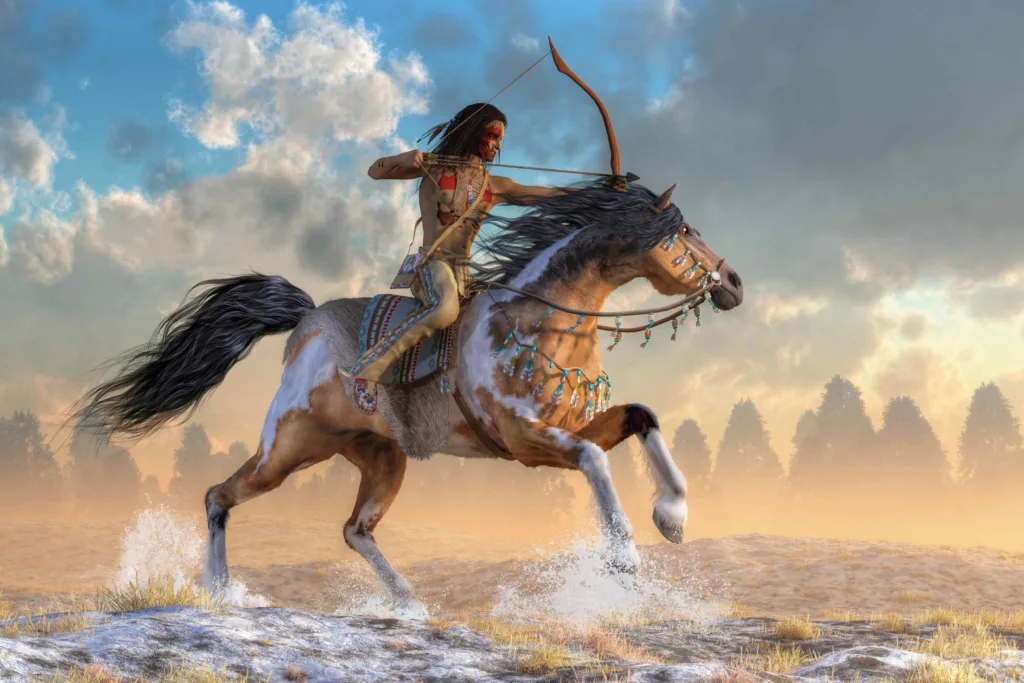
Long before the Declaration of Independence was signed or the first powdered wig appeared on the American continent, the Indigenous peoples of North America had already developed rich and deeply meaningful hairstyling traditions that had been passed from generation to generation for centuries.
It’s impossible to speak of a single “Native American hairstyle,” because hundreds of distinct nations lived across the continent, each with its own customs, beliefs, and artistic traditions. Hair was often viewed as far more than a fashion statement. For many tribes, it represented strength, identity, family lineage, spirituality, and a person’s connection to their community.
Long hair was especially significant throughout many Indigenous cultures. Men and women alike frequently wore their hair long, carefully maintained, and beautifully braided. Braids helped keep hair practical during hunting, farming, horseback riding, and travel while also serving ceremonial and cultural purposes. Some communities wore a single braid, while others favored two braids or intricate wrapped styles adorned with leather ties, beads, shells, ribbons, or feathers.
Even today, many Indigenous people continue these traditions, preserving hairstyles that have survived centuries of enormous cultural change. While today’s salon techniques have evolved dramatically, the appreciation for healthy long hair, intricate braiding techniques, and personalized styling owes much to these enduring traditions.
In many ways, America’s first hairstylists weren’t working inside salons at all; they were parents teaching children, elders passing down traditions, and communities preserving stories—one braid at a time.
Colonial America: Powdered Wigs, Practical Beauty, and the Birth of American Style
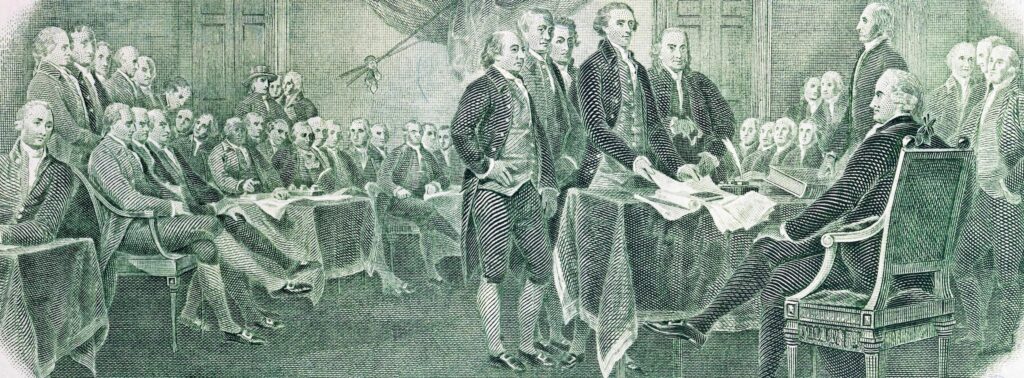
When European settlers established the American colonies, they brought centuries of Old World beauty traditions with them. By the late 1700s, fashion in cities like Boston, Philadelphia, Williamsburg, and New York closely mirrored the styles worn throughout England and France.
Perhaps no hairstyle is more closely associated with America’s founding than the powdered wig.
Many of the nation’s best-known Founding Fathers including judges, military officers, wealthy merchants, and government officials either wore powdered wigs or styled their natural hair to imitate them. Contrary to popular myth, powdered wigs weren’t simply worn because everyone was losing their hair. They were symbols of professionalism, education, wealth, and social standing. The powder itself, typically made from finely milled starches and lightly scented with lavender or citrus, helped absorb oils while giving the hair its distinctive white or gray appearance.
Interestingly, the basic science behind powdered wigs lives on today. Modern dry shampoo and volumizing texture powders rely on many of the same principles, using lightweight starches to absorb excess oil while creating lift and body. While today’s salon products are considerably more sophisticated, the underlying idea has remained surprisingly consistent for more than two centuries.
Colonial women, meanwhile, rarely wore the towering European hairstyles often associated with French royalty. Everyday life in early America demanded practicality. Hair was commonly pinned into neat buns, braided, or arranged beneath bonnets and linen caps while working around the home or tending family farms. Simplicity, cleanliness, and functionality often mattered far more than elaborate decoration.
Although these colonial styles may seem worlds apart from today’s salons, many of their defining silhouettes have quietly returned. Sleek low ponytails, polished bridal updos, soft ribbon accents, and elegant pulled-back hairstyles remain some of the most requested formal looks today, which serves as a reminder that great design never truly disappears.
Resilience Woven Into Every Strand: The Enduring Legacy of Protective Styles
No history of American hairstyles would be complete without recognizing the extraordinary influence of African hairstyling traditions and the resilience of the people who preserved them under unimaginable circumstances.
Before the transatlantic slave trade, many African societies had developed highly sophisticated hairstyling traditions. Hairstyles often communicated age, family lineage, marital status, profession, social standing, and regional identity. Braiding patterns, twists, coiled styles, and sculptural designs represented generations of artistry passed carefully from one generation to the next.
Those traditions did not disappear when millions of Africans were forcibly brought to America.
Despite systematic efforts to erase language, culture, and identity, many enslaved people continued preserving elements of their hairstyling heritage whenever possible. Practical protective styles helped manage tightly curled hair under difficult working conditions while also maintaining hair health. Braiding techniques, wrapped styles, and carefully sectioned patterns quietly survived, becoming powerful expressions of resilience, identity, and cultural continuity.
Today, protective styles such as box braids, bantu knots, twists, locs, and other natural hairstyles are celebrated throughout American salon culture. At the same time, more people than ever are embracing their natural texture, recognizing that healthy hair begins by understanding and working with each person’s unique curl pattern rather than against it.
Perhaps no chapter in American hairstyling better illustrates the larger story of our nation. The hairstyles we admire today weren’t created overnight. They evolved through generations of creativity, perseverance, adaptation, and cultural exchange. Every braid, every curl, every carefully shaped cut tells a story that stretches far beyond fashion.
As America’s story continued to unfold through the 1800s, hairstyles would become even more expressive, ushering in an era of Victorian elegance, elaborate updos, romantic curls, and some of the first truly recognizable salon trends that still inspire modern hairstylists today.
The 1800s: Victorian Elegance and the Birth of Modern Hair Fashion
As the United States expanded westward during the 19th century, the nation’s identity continued to evolve, and so did its hairstyles.
The 1800s were a remarkable period of innovation, immigration, and industrial growth. Railroads connected distant cities, photography captured everyday life like never before, and fashion magazines made it possible for women from Boston to San Francisco to admire the same beauty trends. For perhaps the first time in American history, hairstyles became part of a shared national conversation.
While America was becoming more confident in its own cultural identity, many fashionable men and women still looked across the Atlantic for inspiration. Paris had firmly established itself as one of the world’s great centers of beauty and fashion, and the latest French coiffures (a word used to describe fashionable hairstyling and dressing of the hair) often held great influence in American salons and social circles. Rather than simply copying European trends, however, Americans adapted them into styles that better suited everyday life on farms, in growing cities, and throughout a rapidly-expanding nation.
By the middle of the 19th century, hair had become one of the most important ways for Americans to express refinement, elegance, and personal style.
Long Hair Reigned Supreme
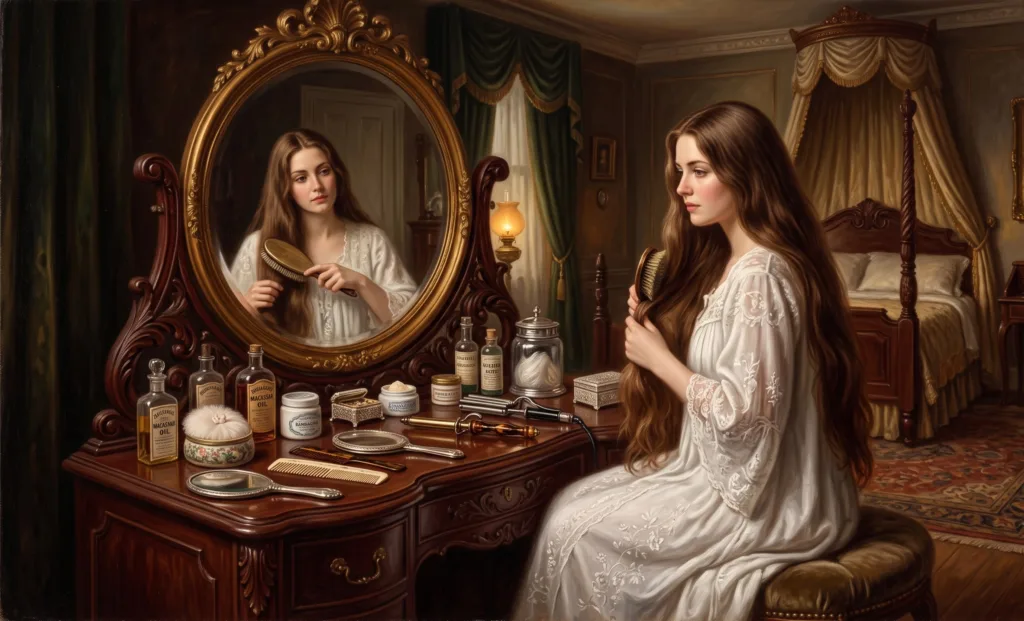
Throughout much of the Victorian Era, long hair was considered the pinnacle of feminine beauty. Flowing locks represented health, youth, and prosperity, while elaborate styling showcased patience, craftsmanship, and attention to detail.
Fortunately, Victorian women rarely wore their hair loose in public. Instead, they transformed their long hair into remarkably intricate styles featuring braided crowns, twisted buns, soft ringlets, woven loops, and carefully pinned chignons. Hairpieces were often incorporated to create additional fullness, while decorative combs, ribbons, pearls, and fresh flowers completed the look.
Many of these elegant silhouettes remain instantly recognizable today.
Walk into any bridal salon, and you’ll still find timeless updos inspired by Victorian techniques. Braided crowns, low chignons, romantic curls, and softly pinned formal hairstyles continue to be among the most requested wedding looks more than a century later.
Hair Care Becomes an Art Form
As America’s cities continued to grow, so did the beauty industry itself.
Hairbrushes became more refined. Improved combs, curling papers, pomades, scented oils, and handmade tonics became increasingly common household items. Women often brushed their hair nightly. This was not only to maintain its appearance but because many believed frequent brushing stimulated healthier growth.
Although today’s professional products are backed by modern science, the Victorian emphasis on healthy, well-maintained hair still resonates inside salons today. Whether someone has fine hair, thick curls, or naturally straight strands, healthy hair has always been the foundation of beautiful styling.
Men’s Hairstyles Enter the Modern Era
Victorian gentlemen also embraced increasingly polished grooming routines. The clean-shaven faces of the colonial period gradually gave way to carefully groomed beards, mustaches, and sideburns that reflected dignity and professionalism. Hair was generally kept short on the sides while maintaining enough length on top for neat parting and styling with oils or pomades.
Sound familiar?
Many of today’s classic men’s cuts, including side parts, comb-overs, slick backs, and pompadours trace their roots back to the clean, structured silhouettes that became popular during the late 1800s.
It’s yet another reminder that while fashion evolves, great design rarely disappears.
Innovation Meets Beauty: The Tools That Changed American Hair
As the Industrial Revolution transformed American manufacturing, it quietly transformed hairstyling as well.
Metal curling tongs became more widely available. Better combs and brushes improved styling precision. New mirrors allowed people to view their hairstyles from multiple angles. Department stores began selling beauty products to the growing middle class, making fashionable grooming more accessible than ever before.
For the first time in America’s history, hairstyles weren’t only reserved for society’s wealthiest families. Everyday Americans could experiment with new looks, creating demand for skilled hairdressers who specialized in cutting, curling, arranging, and maintaining fashionable styles. Although the modern beauty salon was still decades away, its foundations were already beginning to take shape.
Perhaps the greatest invention of all wasn’t a hair styling tool at all, it was actually the innovation of still photography.
Portrait photography exploded in popularity during the second half of the nineteenth century. Suddenly, hairstyles could be preserved forever. Families proudly displayed portraits in their homes, while actresses, politicians, military leaders, and socialites became early style influencers whose looks spread across the country through newspapers and magazines.
For the first time in history, Americans weren’t simply hearing about fashionable hairstyles, they were seeing them. And once people could see them… They wanted them!
That simple technological shift just so happened to change American beauty forever.
The Turn of the Century: America Steps Into the Modern Salon
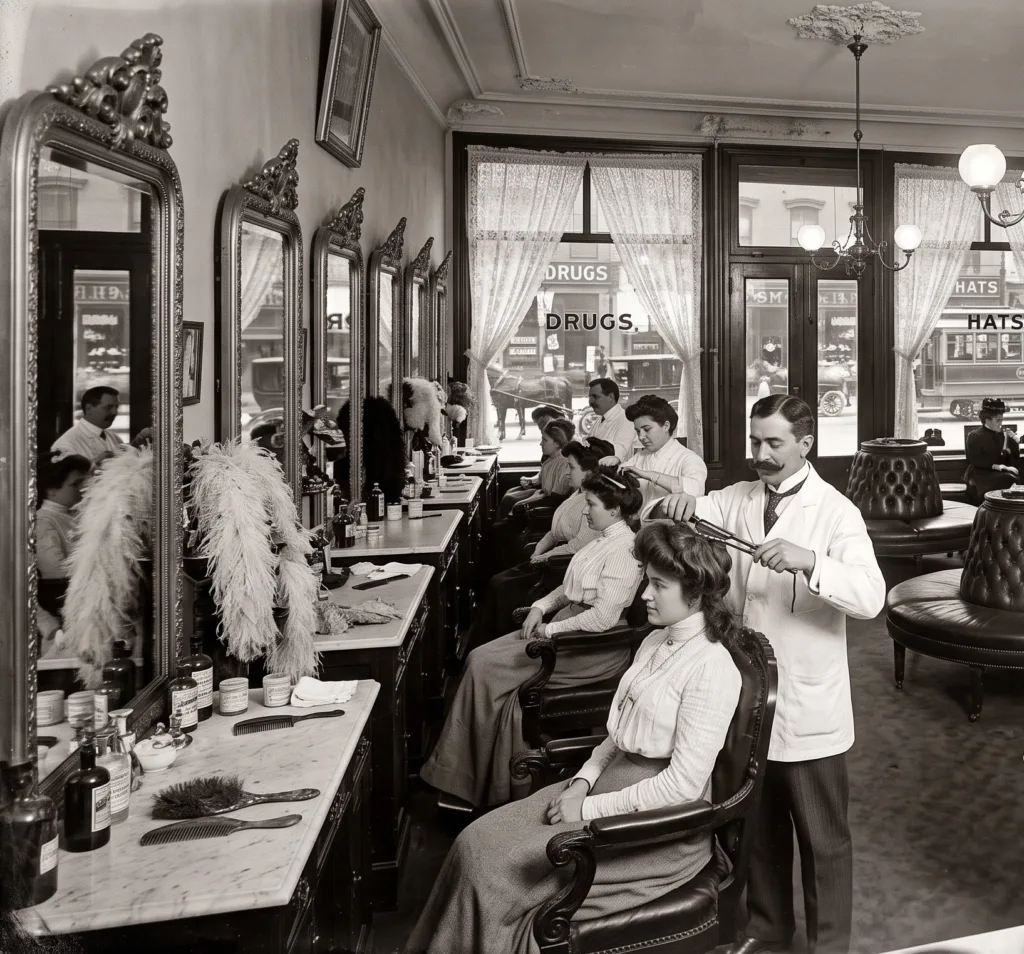
As the 1800s gave way to the 1900s, America stood on the edge of a completely new era.
Electricity was beginning to illuminate homes. Automobiles replaced horse-drawn carriages. Motion pictures introduced audiences to glamorous new celebrities. Department stores expanded cosmetics departments. Professional beauty schools began training hairstylists using standardized techniques. Hair was no longer simply inherited through family tradition, it had become fashion.
The first decades of the twentieth century would completely redefine what was possible inside the salon. Short hairstyles became symbols of independence. Finger waves transformed sleek bobs into works of art. Hollywood introduced glamorous curls to audiences across the nation, while advances in permanent waving and electric styling tools gave everyday Americans the ability to recreate celebrity looks at home.
For perhaps the first time in history, hairstyles weren’t just following popular culture, they were helping shape it.
The next fifty years would produce some of the most iconic hair styles America has ever known, many of which remain among the most requested looks in salons to this very day!
1900–1950: When America Fell in Love with the Salon
If the Victorian Era laid the foundation for modern hairstyling, the first half of the twentieth century built much of the salon industry we know today.
Over the next fifty years, America experienced breathtaking change. Automobiles replaced horses. Airplanes shrank the world. Radio brought celebrities into living rooms. Motion pictures evolved into Hollywood’s Golden Age. Women entered the workforce in greater numbers. Two World Wars reshaped daily life, and hairstyles evolved right alongside our growing nation.
Perhaps for the first time in history, Americans weren’t simply copying fashionable people in their own towns, they began copying Hollywood movie stars.
The beauty salon quickly became one of the most exciting places in America. A destination where everyday people could leave looking like the glamorous faces they admired on the silver screen!
The 1900s: The Gibson Girl and America’s First Beauty Icons
As the twentieth century began, Victorian formality slowly gave way to softer elegance.
The ideal American beauty became known as the Gibson Girl, inspired by illustrator Charles Dana Gibson’s enormously popular drawings of confident, athletic, educated women. Her signature hairstyle featured abundant volume piled gracefully atop the head, with softly swept-back hair framing the face.
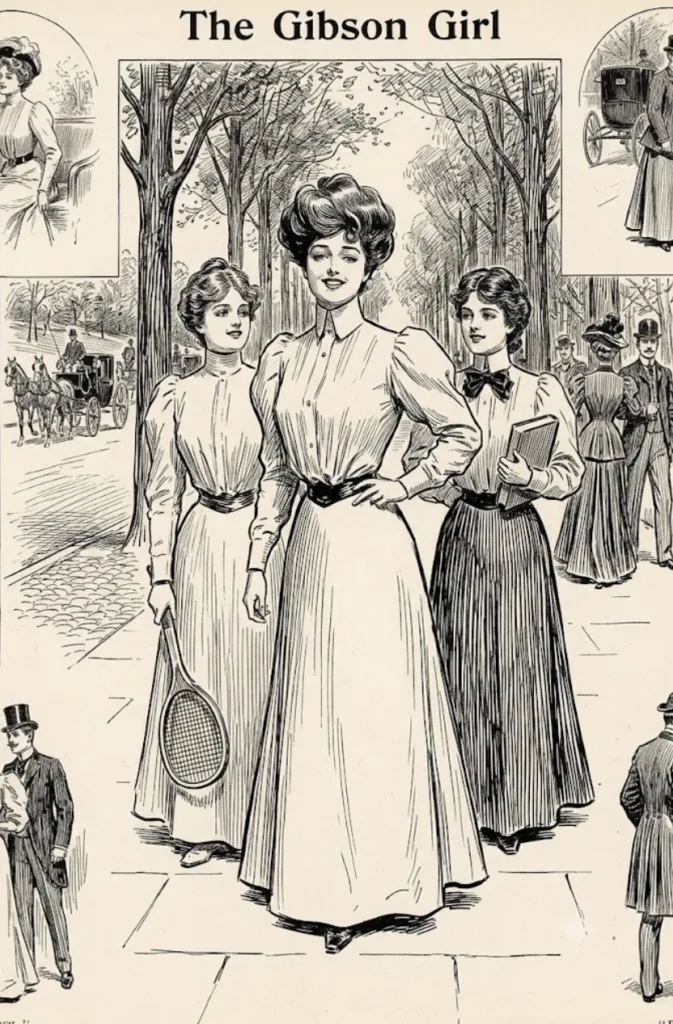
Unlike the tightly controlled hairstyles of previous generations, the Gibson Girl projected effortless confidence. Although the look required a surprising amount of skill to create, it appeared natural and relaxed, becoming a beauty ideal that still influences hairstyling today.
Hair rats (small cushions created from collected hair), pomades, pins, and careful backcombing helped women achieve impressive volume without modern styling sprays or heated tools. Looking back, it’s remarkable how many Victorian techniques quietly survived into the new century, simply adapted into softer silhouettes.
The Roaring Twenties: The Bob That Shocked America
The first real shockwave hit during the Roaring Twenties, a decade fueled by postwar optimism, jazz music, and a roaring economy. As women secured the right to vote and stepped into public spaces with newfound agency, many began discarding their long hair as a literal and symbolic casting off of old societal expectations. The sharp, blunt bob became the defining popular haircut of the decade.
To add jaw-dropping texture to these new short styles, stylists perfected the art of sculpting finger waves. By manipulating damp hair into precise, shimmering S-shaped ridges with natural flaxseed setting lotions, combs, and fingers, they turned short hair into an art deco masterpiece.
Few hairstyles have ever transformed American culture as dramatically as the bob.
When women began cutting their hair short during the 1920s, it wasn’t simply a fashion statement. It became a declaration of independence. The bob was met with fierce cultural resistance; newspapers ran columns debating its morality, and some traditional employers threatened terminations. Yet, the look was unstoppable, altering the course of the salon experience forever.
The bob wasn’t a passing fad, it was the beginning of a hairstyle that would reinvent itself for the next one hundred years.
Today, the classic bob remains one of the most requested haircuts in salons across America. Whether it’s a French bob, an Italian bob, an asymmetrical bob, or the ever-popular lob (long bob), the basic silhouette has never truly gone out of style. That’s a remarkably rare occurrence in the world of fashion!
Finger Waves: Sculpting Hair Into Art
The bob had one perfect companion: finger waves. Created by carefully shaping damp hair into graceful S-shaped ridges using nothing more than fingers, combs, clips, and styling lotion, finger waves transformed simple short hair into living works of art.
Unlike curls produced by hot irons, finger waves relied almost entirely on precision and technique. Every ridge had to flow seamlessly into the next, producing a glossy, sculpted finish that became synonymous with Jazz Age sophistication.
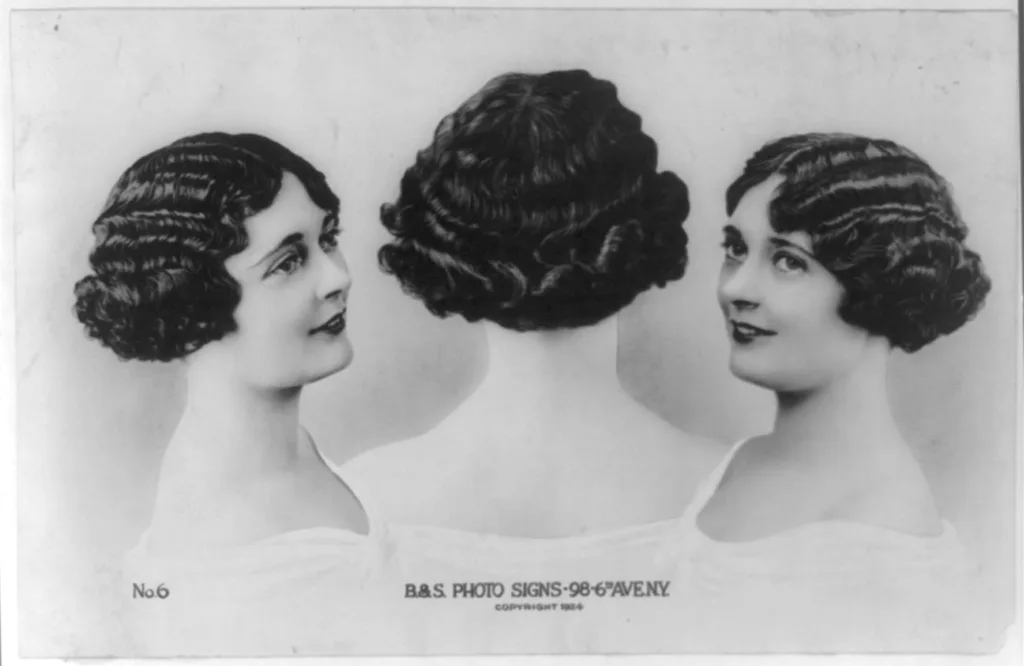
Even a century later, finger waves remain one of the defining skills taught in cosmetology schools. Visit any Hollywood red carpet event today, and you’ll still see celebrities embracing this timeless look for formal events, proving that true craftsmanship never goes out of fashion.
The 1930s: Hollywood Takes Over
If the 1920s gave America its first celebrity hairstyle, the 1930s turned Hollywood into the nation’s beauty headquarters. Movie audiences didn’t simply admire actresses, they studied them. Every new film introduced another glamorous hairstyle that women rushed to recreate.
Soft curls replaced the sharp geometry of the twenties. Side parts became increasingly popular. Glossy waves framed the face with elegant sophistication, creating the luxurious style we now associate with Hollywood’s Golden Age.
Studios even employed dedicated hairstylists whose work became nearly as recognizable as the stars themselves. For perhaps the first time, professional hairstylists had become celebrities behind the scenes.
The Great Depression: Beauty During Difficult Times
Although the Great Depression created extraordinary financial hardship for millions of Americans, it didn’t erase the desire to look one’s best. In fact, many historians argue the opposite happened.
During the Great Depression, a visit to the beauty parlor became one of the few affordable luxuries many women continued to prioritize. A fresh hairstyle couldn’t solve economic hardship, but it offered something equally valuable: dignity, confidence, and a sense of normalcy during uncertain times. Beauty parlors and barbershops became gathering places where neighbors shared encouragement, conversation, and community, reminding us that hairstyling has never been solely about appearance. Sometimes, it has been about hope.
Even families with limited means often found creative ways to maintain fashionable appearances. Women learned to set curls overnight using rags, fabric strips, or homemade rollers. Beauty parlors offered affordable services that provided not only new hairstyles but also moments of confidence and community during uncertain times.
It’s a beautiful reminder that hairstyling has never been merely about vanity. Sometimes, a fresh haircut helps people feel hopeful again. And, that’s just as true today as it was ninety years ago!
The 1940s: Victory Rolls and Wartime Ingenuity
When America entered World War II, hairstyles adapted once again. Women joined factories, shipyards, hospitals, and military support organizations in unprecedented numbers. Practicality suddenly became just as important as beauty.
Loose hair could become dangerous around heavy machinery, leading many women to embrace structured updos that kept hair securely away from the face.
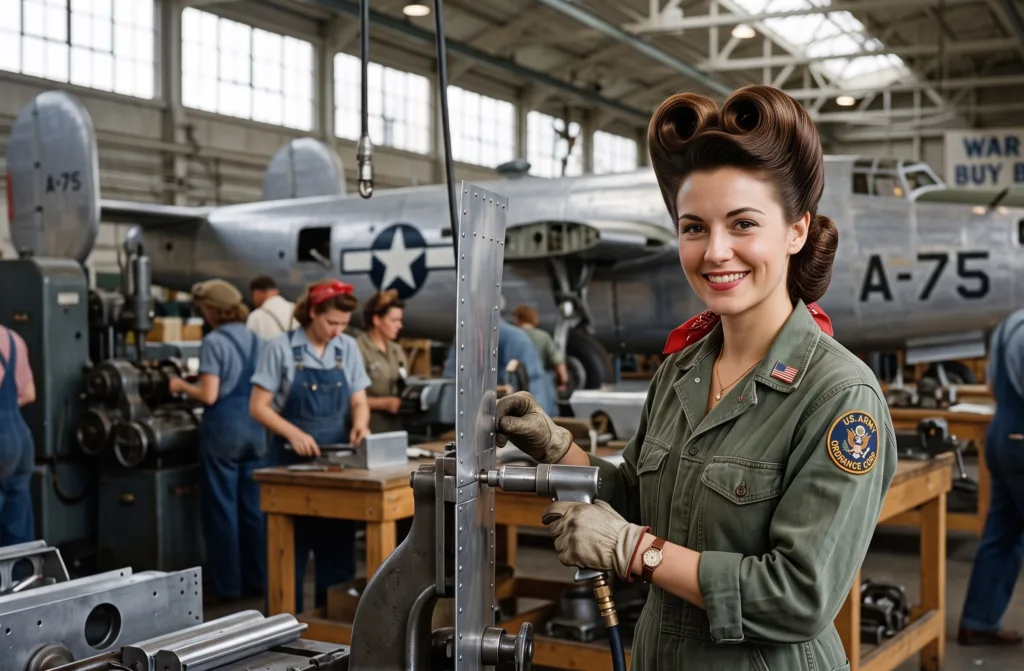
Among these styles, none became more iconic than Victory Rolls. Large rolled sections of hair swept upward and outward, creating dramatic volume while maintaining a polished appearance. The style symbolized confidence, patriotism, and resilience during one of the nation’s most challenging chapters.
Despite wartime rationing, women continued finding creative ways to style their hair. Scarves became fashionable accessories. Pin curls allowed elaborate looks without electricity. Homemade setting techniques demonstrated remarkable ingenuity when salon supplies became difficult to obtain.
Even under extraordinary circumstances, Americans refused to give up beauty.
America’s Men Find Their Signature Style
Women’s hairstyles weren’t the only looks evolving through history. In the 1940s, American men increasingly embraced shorter, cleaner cuts inspired by military service. The disciplined appearance of servicemen influenced civilian fashion after the war, helping establish many timeless barbershop classics that remain popular today.
Meanwhile, Hollywood leading men popularized neatly combed side parts, slick backs, and subtle pompadours that balanced professionalism with effortless confidence. Many of today’s classic men’s haircuts, from executive styles to Ivy League cuts can trace their lineage directly back to this era.
A New Era Waits Just Around the Corner
By 1950, America stood at the dawn of unprecedented prosperity, television sets were moving into living rooms, teenagers were beginning to shape their own culture, and rock and roll was waiting just around the corner!
The salon industry was expanding rapidly, permanent waves were becoming increasingly common, and new styling products promised bigger volume, smoother curls, and hairstyles that could last for days.
The next few decades would unleash an explosion of creativity unlike anything America had seen before.
- Beehive hairdos would reach astonishing heights.
- The pixie cut would challenge convention.
- The shag would redefine effortless cool.
- Afros would become powerful symbols of cultural pride.
- Jheri curls would dominate the 1980s.
And eventually, somewhere along the way… Someone would decide that “business in the front and party in the back” sounded like a perfectly reasonable haircut! Believe it or not, the mullet hairstyle would one day become one of America’s most unforgettable (and most unlikely) fashion comebacks!
1950–1990: When Hairstyles Became a Form of Self-Expression
If the first half of the twentieth century transformed the beauty salon into an American institution, the second half turned it into a cultural phenomenon. Never before had hairstyles changed so dramatically from one decade to the next.
Television brought celebrities into millions of homes every evening. Rock and roll gave teenagers a culture all their own. The Civil Rights Movement encouraged Americans to embrace identity and heritage with renewed pride. New styling products, improved salon equipment, aerosol hairspray, and home appliances made it easier than ever to recreate fashionable looks.
Hair was no longer simply something you wore, it became part of who you were.
By the end of the century, Americans weren’t asking for “the fashionable haircut,” they were asking for their haircut.
The 1950s: Polished Perfection and the Rise of Rock & Roll
Following the hardships of World War II, America entered an era of remarkable optimism and prosperity. The booming economy, expanding suburbs, and growing middle class all contributed to an explosion in beauty culture. Beauty salons flourished across the country as weekly appointments became part of everyday life for millions of American women.
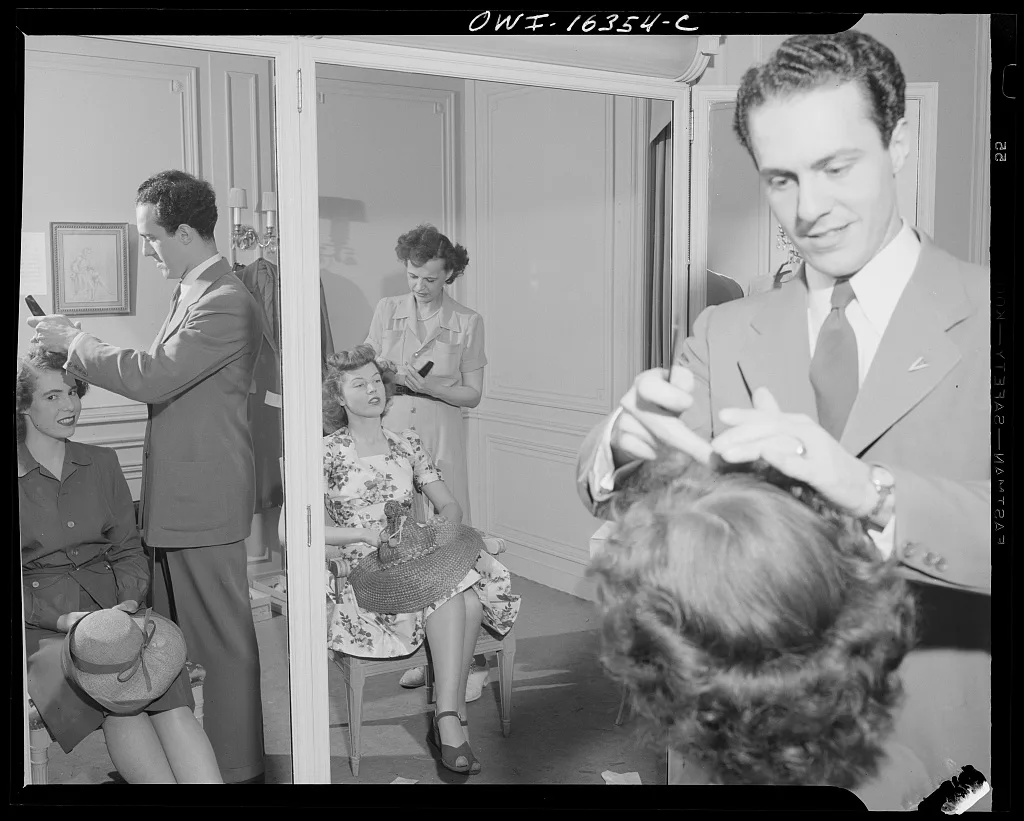
Perfectly styled hair became a symbol of confidence and sophistication.
Soft pageboys, polished curls, carefully sculpted sets, and elegant updos dominated women’s fashion. Roller sets became a salon staple, allowing stylists to create impressive volume and smooth, lasting curls that could hold their shape for days.
Meanwhile, men were creating hair history of their own. Inspired by rising rock-and-roll stars, the pompadour returned in spectacular fashion. Although its roots stretched all the way back to eighteenth-century France before evolving through Victorian America, the style found an entirely new identity during the 1950s. Swept upward with remarkable volume and finished with brilliant shine, the pompadour became synonymous with youthful confidence and rebellion.
It’s one of history’s first great hairstyle comebacks, and certainly not its last!
The 1960s: Bigger Hair, Bigger Dreams
As America reached for the Moon, hairstyles reached for the ceiling. The 1960s became one of the most experimental decades in American beauty history, and nothing captured the decade quite like the beehive hairdo.
Towering high above the crown and sculpted into gravity-defying elegance, the beehive became an instant cultural icon. Achieving the look required teasing, careful backcombing, strategic pinning, and what often seemed like an entire can of hairspray. Yet despite its dramatic appearance, the techniques behind the style still influence modern formal styling today.
At the opposite end of the spectrum, another revolutionary haircut emerged: the pixie cut. Elegant, daring, and refreshingly simple, the pixie challenged long-held assumptions about femininity by proving that short hairstyles could be just as glamorous as flowing locks. Women no longer needed long hair to make a bold statement.
Meanwhile, a young British hairstylist named Vidal Sassoon quietly revolutionized salons around the world. His geometric precision cuts emphasized movement, natural shape, and effortless maintenance rather than elaborate daily styling. American hairstylists quickly embraced his techniques, forever changing the way modern haircuts were designed.
For perhaps the first time, hair wasn’t simply being styled. It was being engineered.
The 1970s: Freedom, Texture, and Individuality
If the 1960s challenged convention, the 1970s celebrated individuality. America embraced the idea that there was no single “right” way to wear your hair, and personal style became just as important as fashion itself.
One of the decade’s defining looks was the shag haircut. With its choppy layers, effortless movement, and relaxed texture, the shag perfectly captured the free-spirited attitude of the era. More than fifty years later, its influence lives on through today’s wolf cut and heavily textured layers, serving as a reminder that great hairstyles rarely disappear; they simply evolve.
The 1970s also marked a pivotal moment in the celebration of Black hair and natural texture. For many Black Americans, wearing an Afro became far more than a fashion statement. It represented cultural pride, confidence, and the freedom to embrace natural curls after generations of pressure to conform to European beauty standards. At the same time, protective styles continued preserving centuries of artistry and tradition, laying the foundation for the widespread appreciation of box braids, twists, and other textured styles seen in salons today.
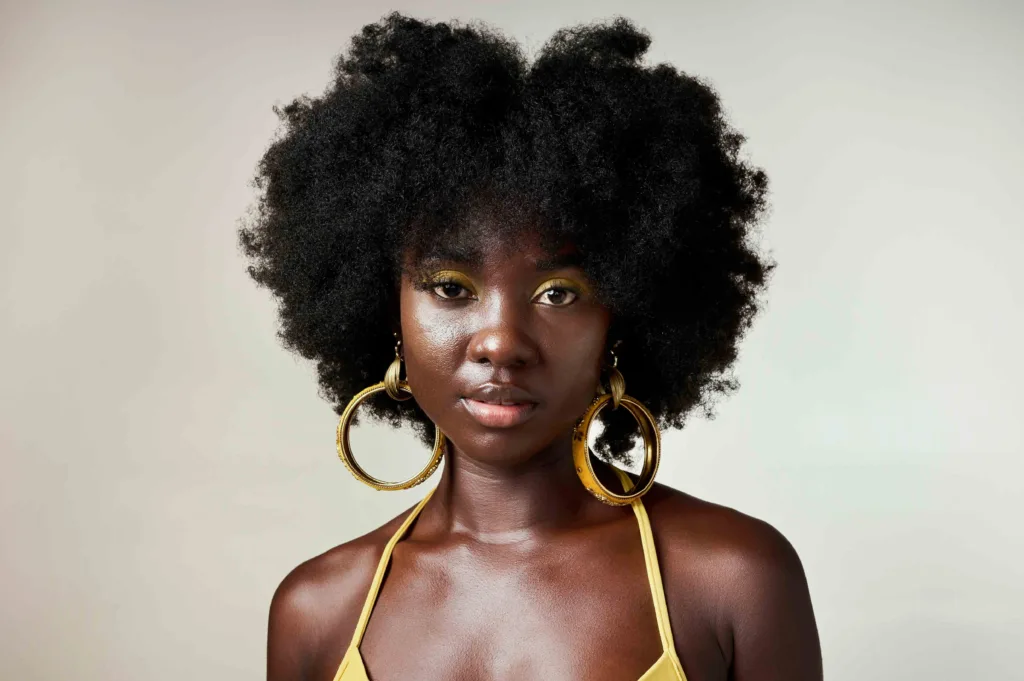
Perhaps that’s the greatest legacy of the 1970s. The decade reminded Americans that beauty doesn’t come from fitting into one style or trend, it comes from embracing what makes each person unique. That philosophy continues to shape modern hairstyling, where personalized cuts, healthy hair, and every hair texture are celebrated more than ever before.
The 1980s: More Was More
If one phrase could summarize the 1980s, it might simply be: go bigger. Bigger shoulder pads, bigger music, bigger personalities, and definitely… Bigger hair!
The decade embraced fearless volume unlike anything America had seen before. Teasing combs, round brushes, mousse, hot rollers, and generous amounts of hairspray helped create gravity-defying styles that became instantly recognizable around the world.
Perms exploded in popularity, allowing people with naturally straight hair to enjoy fuller curls and dramatic texture. At the same time, countless Americans with naturally curly hair embraced styles that enhanced rather than concealed their existing texture.
Among the era’s most recognizable looks were jheri curls, celebrated for their glossy, defined curls and remarkable softness. Popularized by musicians, athletes, and entertainers, the style became one of the decade’s signature trends and remains one of the most recognizable hairstyles of the era.
But, no discussion of 1980s hair would be complete without mentioning the mullet hairstyle. Although versions of the cut had appeared throughout history, (including among frontier workers who appreciated its practical combination of shorter hair in front and longer hair in back) it reached absolute legendary status during the 1980s!
Business in the front. Party in the back. It wasn’t just a catchy slogan; it perfectly captured the decade’s larger-than-life personality!
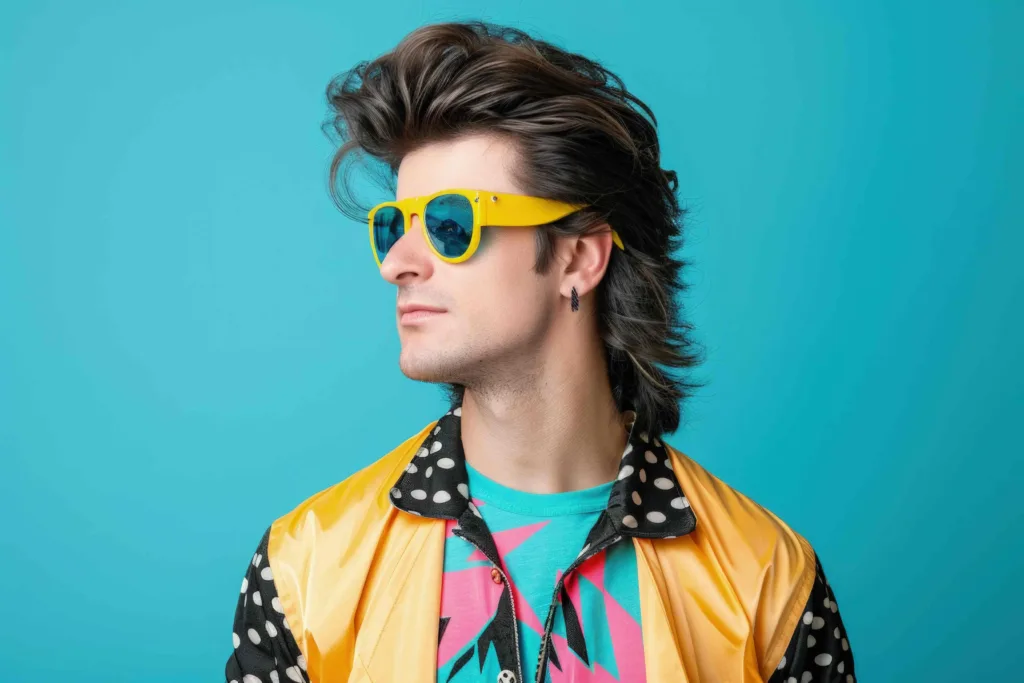
Few hairstyles have inspired as many jokes, debates, Halloween costumes, and nostalgic smiles, yet the mullet never truly disappeared. Like the bob before it, it simply waited for another generation to reinvent it. Today’s modern mullets feature softer transitions, textured layers, and personalized styling that make the cut surprisingly versatile for every hair texture – from fine hair seeking extra movement to naturally wavy and curly hair looking for shape and personality. It’s proof that history doesn’t always repeat itself…sometimes, it just gets a really good haircut!
Hair Becomes Personal
By the late twentieth century, perhaps the greatest transformation in American hairstyling wasn’t any particular haircut, it was the philosophy behind them.
For the first time in the nation’s history, there was no universally accepted “right” hairstyle. Professional women confidently wore polished bobs into corporate boardrooms, while rock musicians let their hair grow past their shoulders as symbols of artistic freedom. Teenagers experimented with bold colors and dramatic cuts, natural curls were embraced with growing pride, and protective styles continued preserving centuries of cultural artistry.
Long hair remained timeless. Short hairstyles flourished. Individuality had replaced conformity, and America’s hairstyles had become exactly what the nation itself had become: wonderfully diverse, beautifully individual, and impossible to define with just one haircut.
The Stage Is Set for the Modern Salon
As the 1990s approached, hairstyling stood on the brink of another transformation where fashion magazines would soon compete with cable television and celebrity stylists would become household names. The internet would eventually reshape beauty trends forever, and social media (still unimaginable to most Americans) would one day allow a single haircut to inspire millions of salon appointments almost overnight.
But through every technological revolution, one truth remained remarkably unchanged: people still sat down in a stylist’s chair for exactly the same reason they always had done so: to leave feeling a little more confident than when they first arrived!
1990–Today: Personal Style, Social Media, and the Golden Age of Hair
As the twentieth century drew to a close, something remarkable happened. For more than two hundred years, American hairstyles had largely been shaped by monarchs, politicians, movie stars, musicians, fashion magazines, and television personalities. Then, all of a sudden, everyone became an influencer.
The rise of the internet, digital photography, smartphones, and social media completely transformed the beauty industry. Hairstyles no longer took years to spread across the country; a fresh cut posted online in New York could inspire salon appointments in Boise, Idaho by the following afternoon. For the first time in history, beauty trends moved at the speed of the internet, yet despite all this technological change, the heart of hairstyling remained exactly the same: people still wanted to feel like the very best version of themselves.
The 1990s: Relaxed, Layered, and Effortlessly Cool
After the bold volume of the 1980s, the 1990s embraced a softer, more natural approach to beauty where hair became lighter, movement became more important, and layers replaced rigid structure. Long, face-framing layers became one of America’s most requested haircuts, while the decade’s most famous television hairstyles quickly found their way into salons from coast to coast.
Curtain bangs quietly began another chapter of their remarkable journey through fashion history. Inspired by the feathered styles of previous decades, they offered softness, versatility, and flattering movement around the face. Today, they remain one of the most requested fringe styles for nearly every face shape.
Color techniques evolved as well, with clients increasingly seeking dimensional color that looked naturally sun-kissed and lived-in rather than dramatic contrasts. However, the decade also saw the explosive rise of Manic Panic and a growing desire for vibrant, unnatural colors like neon blues, greens, and oranges. These bold choices were heavily influenced by the 90s grunge music scene, allowing for a more rebellious and personalized approach to hair color that continues to inspire modern salon trends today.
The New Millennium: Hair Becomes Completely Personalized
As America entered the year 2000, salons themselves entered a new era where clients were no longer asking simply, “What’s fashionable?” but rather, “What’s right for me?” This shift changed everything, turning modern hairstylists into consultants, educators, artists, and collaborators. Face shape, lifestyle, maintenance preferences, hair health, and individual hair textures all became equally important parts of every consultation.
Coincidentally, while America was stepping confidently into a new millennium, a new chapter in Treasure Valley beauty was beginning as well.
On Valentine’s Day, February 14, 2000, Panache Hair Studio & Day Spa first opened its doors in Boise with a simple vision from founders DeAnna and Nick Fowers: create a beautiful, welcoming environment where exceptional artistry, continued education, and genuine care could thrive together. More than twenty-five years later, that same commitment continues to guide every haircut, color service, spa treatment, and guest experience!
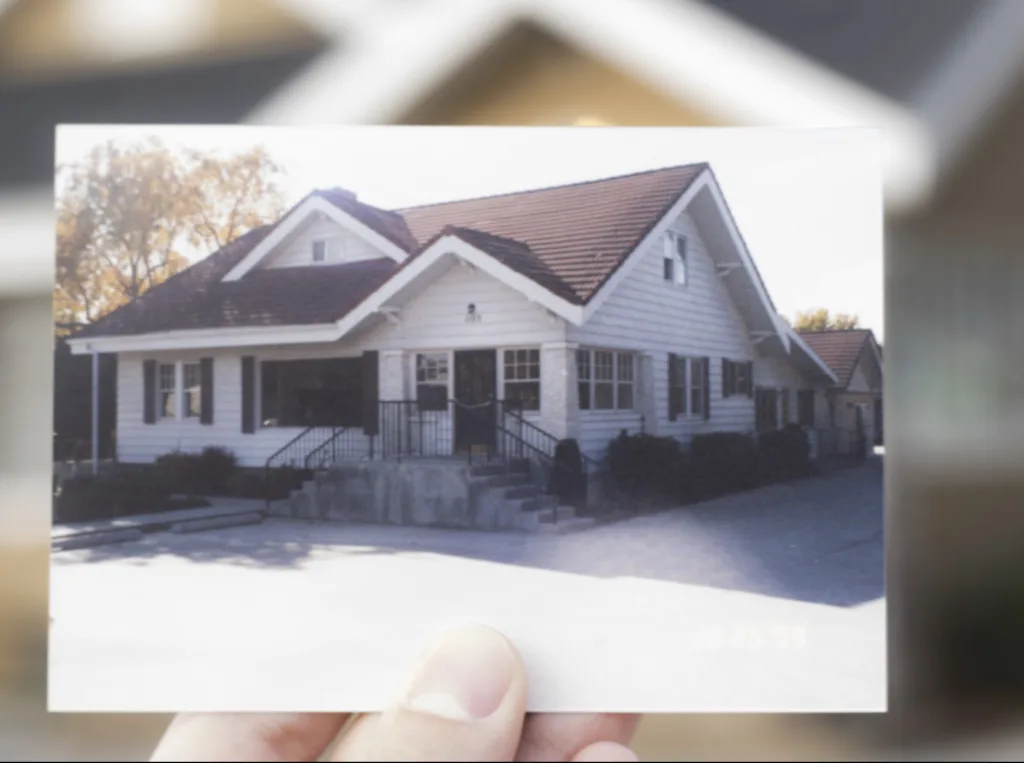
Like the American salon industry itself, Panache has continued evolving while never losing sight of what matters most: helping people feel more confident!
The 2010s: Classic Hairstyles Come Full Circle
One of the most fascinating trends of the modern era is that almost nothing truly disappears; instead, everything gets reinvented. The bob returned, the shag evolved into the wolf cut, and curtain bangs became wildly popular once again. Finger waves reappeared on Hollywood red carpets, while the sleek low ponytail echoed Colonial-era ribbon queues. Roller sets found new life through modern blowout techniques, and even textured mullets made an unexpected comeback by blending vintage inspiration with contemporary cutting methods.
History wasn’t just repeating itself; it was collaborating with the present!
Celebrating Every Hair Texture
Perhaps the greatest achievement of modern American hairstyling is the celebration of diversity, recognizing that there is no single definition of beautiful hair. Fine hair deserves customized cutting techniques that maximize movement, while naturally curly, coily, and straight strands each flourish when shaped for their unique patterns. The growing appreciation for Black hair, protective styles, natural curls, box braids, twists, and bantu knots represents a broader recognition that America’s beauty has always come from its diversity. These styles now stand proudly alongside one another, contributing to the rich tapestry of modern American salon artistry.
Today’s Most Popular Haircuts Carry Generations of History
Walk into a modern salon today and you’ll find history hiding in almost every chair.
A guest requesting textured layers is wearing a distant cousin of the carefree shag from the 1970s.
Someone asking for curtain bangs is embracing a silhouette that has gracefully resurfaced time and time again.
A precision bob still carries the spirit of the Roaring Twenties.
Modern pompadours continue a tradition that spans more than two centuries.
The sleek low ponytail quietly echoes colonial elegance.
Finger waves remain one of the highest expressions of technical hairstyling.
Protective styles continue preserving traditions that long predate the founding of the United States itself.
Even the modern mullet hairstyle – a cut once dismissed as little more than an ’80s punchline, has returned as one of today’s most requested textured looks, proving that confidence never truly goes out of style.
Great hairstyles don’t disappear.
They simply wait for the next generation to rediscover them.
The Future of American Hairstyles
As we celebrate America’s 250th birthday, one thing seems certain: the next great hairstyle probably hasn’t been invented yet. While artificial intelligence may generate inspiration and virtual consultations become commonplace, the essence of the craft remains. New products and innovative techniques will emerge, allowing future generations to discover entirely new ways to express themselves. But if the past 250 years have taught us anything, it’s that the best hairstyles have never been about following trends; they’ve always been about expressing who we are. That is one American tradition we hope will continue for yet another 250 years!
Hairstyles That Came Full Circle: Why Great Hair Never Goes Out of Style
After traveling through 250 years of American history, one fascinating pattern begins to emerge: the greatest hairstyles never truly disappear, they evolve. Each generation takes inspiration from the one before it, softening lines, modernizing techniques, and adapting timeless ideas for contemporary life. What once seemed old-fashioned often returns decades later with fresh energy, proving that exceptional design never really goes out of style.
Here’s just a glimpse of how America’s favorite hairstyles have come full circle:
| Then | Today |
| Powdered wigs used starch to absorb oils and create volume. | Dry shampoo and texturizing powders create lift, grip, and refreshed hair between washes. |
| Colonial ribbon queues evolved into sleek pulled-back ponytails. | Elegant low ponytails remain a favorite for weddings, formal events, and everyday sophistication. |
| Victorian braided crowns and romantic updos. | Modern bridal styling still draws inspiration from these timeless silhouettes. |
| The Roaring Twenties Bob challenged convention. | The French Bob, Italian Bob, Lob, and Precision Bob remain salon favorites today. |
| Finger Waves defined Jazz Age glamour. | Hollywood waves and formal finger waves continue to grace red carpets and special occasions. |
| Victory Rolls showcased precision and confidence. | Soft rolled updos and vintage-inspired formal styles continue to inspire modern hairstylists. |
| The Pompadour reinvented itself from 18th-century France to 1950s America. | Contemporary pompadours remain one of the most recognizable classic men’s hairstyles. |
| The 1970s Shag celebrated effortless texture. | Today’s Wolf Cut and heavily textured layers continue its legacy. |
| Natural curls and protective styles preserved generations of artistry. | Box braids, bantu knots, twists, locs, and customized curl shaping are celebrated more than ever before. |
| The 1980s Mullet became a pop culture legend. | Today’s modern mullet hairstyle has become one of the most creative personalized cuts in contemporary salons. |
Perhaps that’s the greatest lesson American hair history has to teach us.
Fashion changes.
People change.
America changes.
But creativity never stops.
More Than Hairstyles—A Reflection of America
When we first began this journey to explore 250 years of American hairstyles, it became something much bigger because this was never really a story about hair; it was a story about people. It was the story of Indigenous communities, immigrants, and enslaved Africans all weaving their customs into a new American identity. It was the story of jazz musicians, factory workers, and Hollywood legends all finding new ways to express themselves.
Every generation inherited the styles of the one before it while leaving something new behind, creating countless individual stories that became the story of America itself: wonderfully diverse, endlessly creative, and beautifully individual.
Celebrating America’s Next 250 Years, One Hairstyle at a Time!
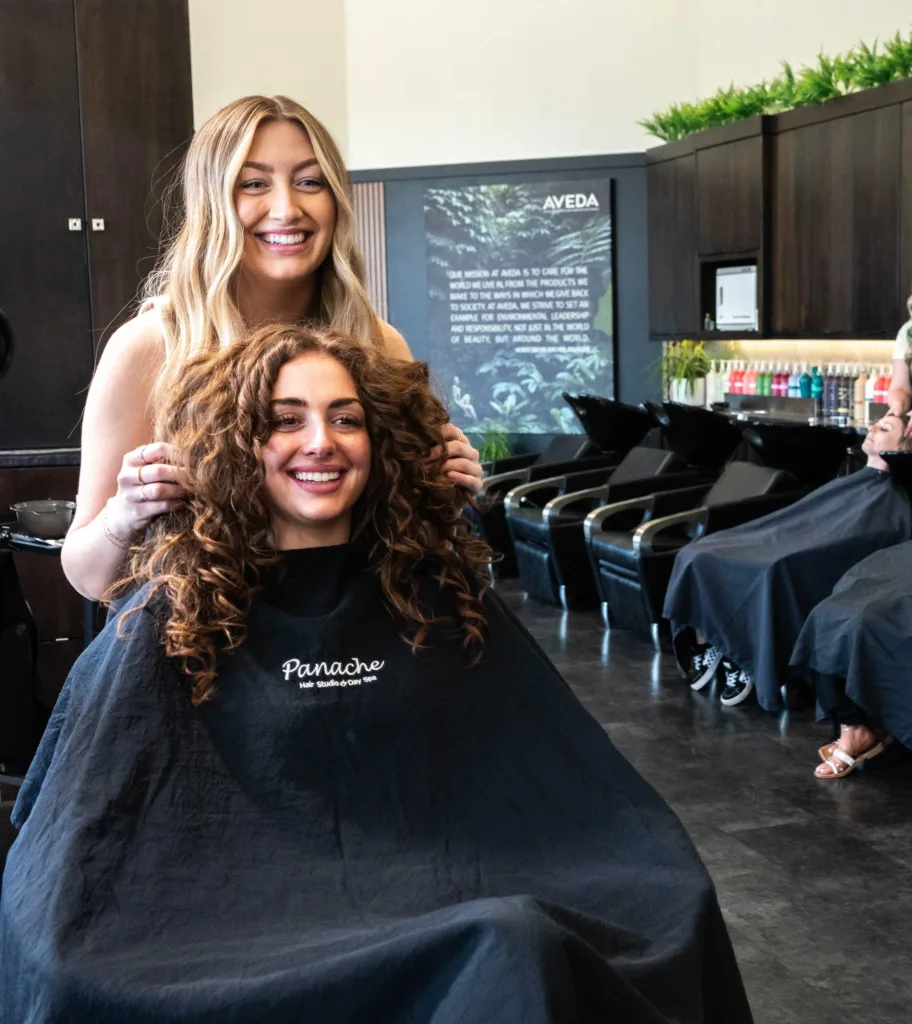
As our nation celebrates its 250th birthday, we can appreciate the millions of everyday Americans who made history their own, from the young woman nervously cutting a bob in 1925 to the person confidently walking into the salon today. Whether it’s a precision bob, textured layers, a fresh fade, or even a modern mullet, every haircut becomes part of the story. History isn’t only something we read about; sometimes, we wear it.
Helping You Write the Next Chapter of Your Hair Story
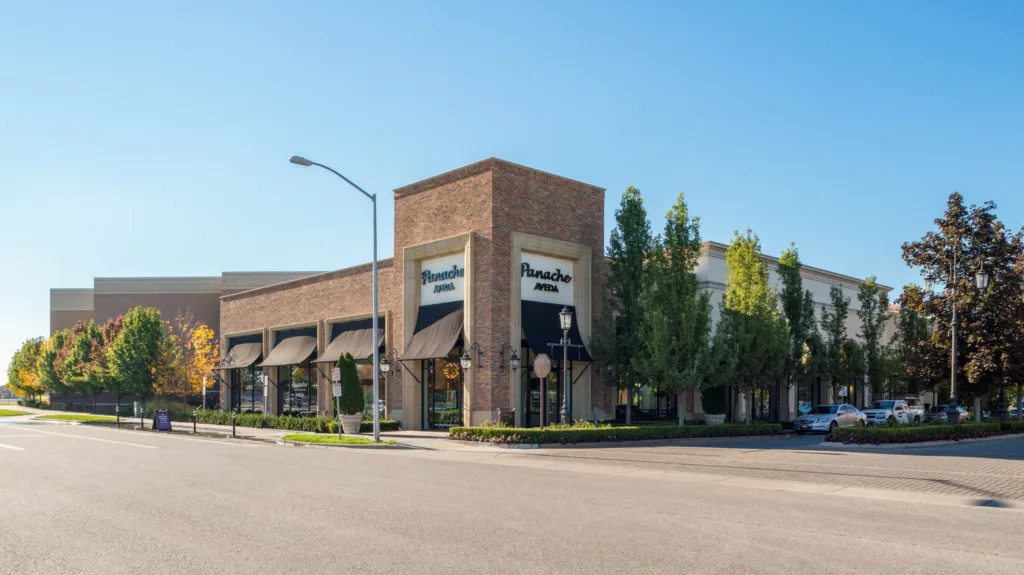
At Panache Hair Studio & Day Spa in Meridian, Idaho, we believe every guest brings their own story into the salon. That’s why exceptional hairstyling has never been about chasing trends; it’s about understanding the person sitting in the chair.
Whether you are embracing natural curls, searching for the perfect cut for fine hair, or celebrating a look that is entirely your own, our team is passionate about styles that feel authentically you! Just as America’s hairstyles have evolved while honoring tradition, we blend timeless craftsmanship with personalized care. Happy Birthday, America, and happy styling! Here’s to helping you write the next beautiful chapter of your own hair story. If you live in the Boise, Idaho metropolitan area consider our salon in The Village at Meridian for your next glow-up. Call to schedule an appointment today!