


Months of hiking dusty Ridge to Rivers trails in the Boise Foothills, running long distances in the high desert, and wearing open-toed summer footwear leave heels cracked, calloused, and dehydrated. While a basic polish change refreshes the surface, a clinical-adjacent spa pedicure at Panache Hair Studio & Day Spa at The Village at Meridian acts as a restorative rescue mission. By combining warm paraffin infusions, botanical exfoliation that removes dead skin, and intensive plant-butter hydration, targeted seasonal foot care can restore your structural skin health, repair deep heel fissures, and help maintain healthy feet for active Treasure Valley lifestyles.
There is no better feeling than reaching the crest of Table Rock or winding through the upper trails of Camel’s Back Park as the summer heat begins to break across the Treasure Valley. Idahoans live for outdoor adventure, logging countless trail miles and soaking up every sunny minute along our scenic foothills and mountain paths.
However, by the time September arrives, our feet often tell a completely different story.
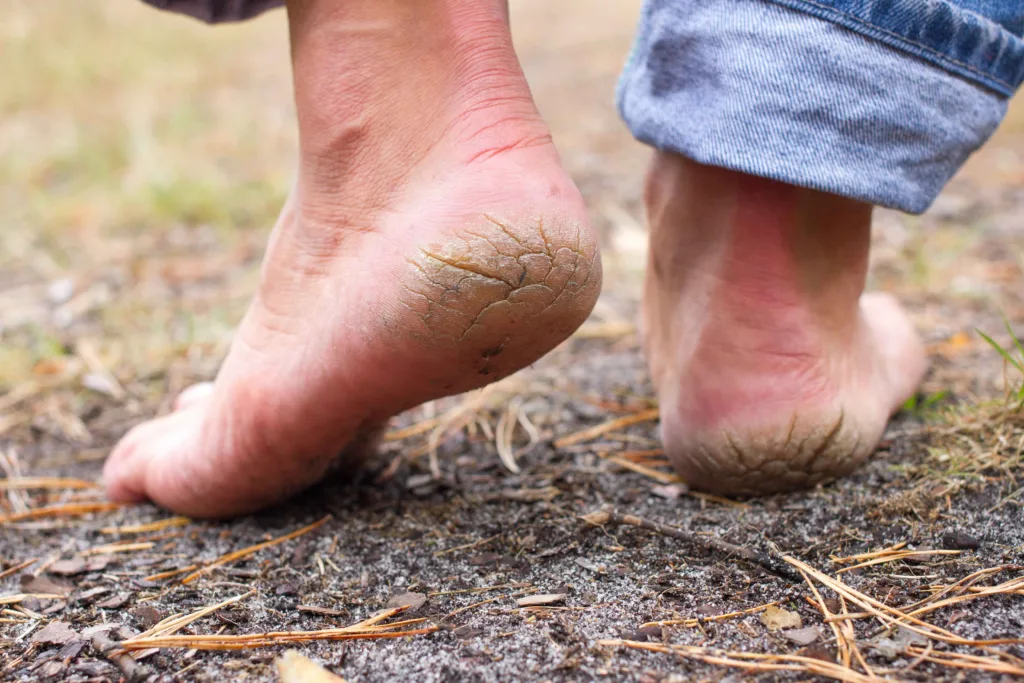
Months of trail dust, relentless sun exposure, friction from rigid hiking boots, and dry high-desert air strip the natural moisture barrier from your skin. The result? Painful heel fissures, stubborn calluses, brittle toenails, and flaking soles. When boots come off, a quick swipe of lotion simply will not reverse the structural dehydration caused by an active Idaho summer.
While we frequently discuss the foundational wellness perks in our guide on the surprising health benefits of routine manicures and pedicures, this article is a dedicated rescue manual for feet experiencing some serious seasonal distress.
Here is why your post-hiking recovery plan requires more than standard aesthetic upkeep, and how specialized therapeutic foot treatments restore resilience to your hard-working soles.
The Anatomy of Hiker’s Foot: Why Idaho’s Trails Cause Deep Fissures
Your feet carry the full burden of your body weight with every step. During long distance trail hikes, running routines, or weekend backpacking treks in the Sawtooths, repetitive mechanical impact creates intense friction and pressure on the heel pad and ball of the foot.
To protect the deeper dermis from blistering, your body produces excess keratin, which can form thick, hardened layers of dead skin cells known as calluses.
| Environmental Trigger | Physical Consequence to Foot | Therapeutic Remedy |
|---|---|---|
| Trail dust & dry soil | Strips moisture barrier, causes flaking | Aroma foot soaking + plant-oil infusions |
| Rigid hiking boot friction | Builds thick, hardened keratin calluses | Precision callus smoothing & physical exfoliation |
| High-impact trail strides | Joint stiffness, tight plantar fascia | Acupressure foot massage & joint mobilization |
| Rapid temperature shifts | Deep cracks and painful heel fissures | Warm paraffin dip + rich plant-butter masques |
In a humid environment, callused skin retains some pliability. In Idaho’s arid climate, however, that thick layer of dead tissue loses all elasticity. As you walk, the dry heel pad cannot expand, causing the hardened skin to split into deep, painful heel fissures. Left untreated, these cracks can break into living tissue, leading to intense discomfort, inflammation, and potential infection.
Common Foot Care Mistakes (And How to Avoid Them)
When faced with rough, cracked heels at the end of the season, well-meaning outdoor enthusiasts often try DIY shortcuts that make the problem worse:
1. Aggressive Cheese-Grater Razors: Using manual razor blades or harsh metal scrapers at home cuts unevenly into healthy dermal layers, triggering your body to produce thick calluses even faster as a defense mechanism.
2. Relying Solely on Chemical Peel Booties: Over-the-counter exfoliating acid booties peel skin indiscriminately, often leaving tender, raw skin exposed to friction inside boots without providing the deep lipid nourishment needed to rebuild the barrier.
3. Ignoring Toenail Angles When Trimming: Rounding off the edges of your toenails increases the risk of painful ingrown nails, especially when your toes push forward during steep downhill descents.
4. Slathering Lotion Over Unexfoliated Calluses: Applying heavy moisturizers over dense layers of dead skin prevents active botanicals from penetrating the living tissue beneath.
The Panache Restoration Protocol: Beyond the Standard Pedicure
At Panache Hair Studio & Day Spa, our signature nail therapies bridge aesthetic beauty with clinical-adjacent comfort. When you visit our serene retreat at The Village at Meridian, we treat tired, trail-worn feet through a structured, multi-step recovery ritual.
Step 1: Hydrotherapy & Therapeutic Foot Soaking
Your session begins by immersing your feet into a basin of filtered, warm water infused with calming Aveda essential oils like peppermint and lavender. This restorative soak helps wash your feet, clarifies trail residue, and works to deeply soften the skin and hardened cuticles prior to any physical work.
Step 2: Precision Callus Refining and Exfoliation
Once the tissue is soft, our licensed nail technicians use hygienic, sanitized implements to gently buff away stubborn callus buildup and dead skin cells layer by layer. This mechanical refining smooths jagged edges and relieves the pressure points caused by uneven heel pads.
Step 3: Anatomical Nail and Cuticle Care
We carefully trim and shape each toenail straight across to prevent ingrown complications. Specialized cuticle care clears away dry, overgrown tissue along the nail bed, promoting stronger, healthier nail plates that can withstand seasonal changes.
Step 4: Circulatory Foot Massage
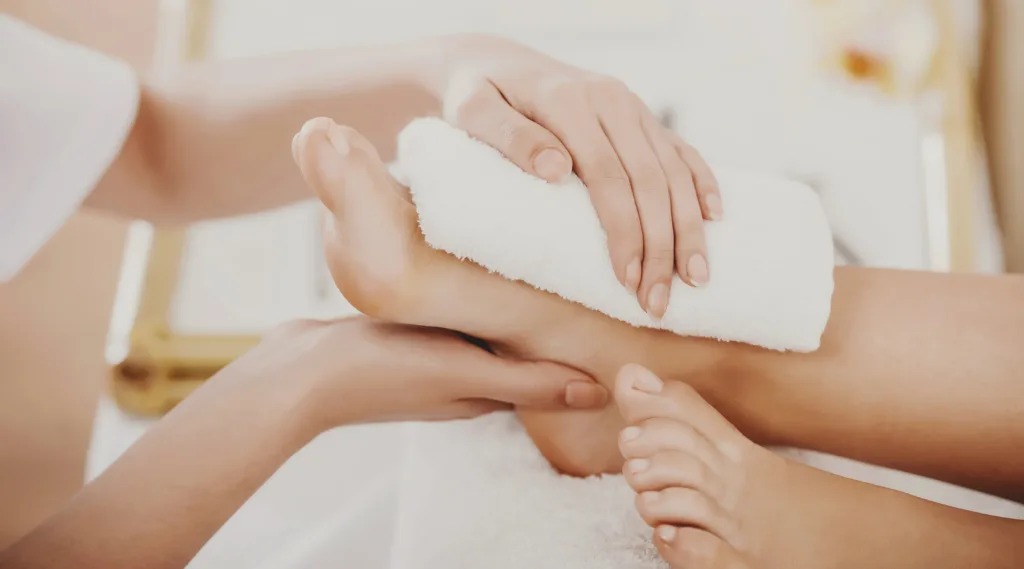
Hiking places tremendous strain on the arches, calves, and plantar fascia. Every restorative service includes a foot and lower-leg therapy where your technician performs a focused foot massage. This targeted pressure stimulates blood circulation, drains lymphatic fluid, reduces inflammation, and restores mobility to fatigued foot joints.
Step 5: Warm Paraffin & Plant-Butter Sealing
To lock in maximum hydration, we coat the feet in rich plant butters and immerse them in warm paraffin wax. The soothing heat opens pores, allowing nutrient-dense botanical lipids to penetrate into the deepest dermal layers. When the wax is removed, cracked heels are visibly repaired, supple, and shielded against dry autumn air.
Step 6: Protective Finish
If you choose to add color, we apply a base coat, chip-resistant nail polish, and a high-shine top coat to defend the nail plate from environmental wear. For clients who prefer a natural, bare look, we buff the nails to a clean, healthy shine.
4 Essential Do’s and Don’ts for Autumn Foot Health
To maintain your salon results between visits and keep your feet trail-ready, follow these practical rules:
- DO moisturize damp feet regularly: Apply a rich, plant-based foot cream such as, Aveda Foot Relief containing jojoba & castor oil within three minutes of exiting the shower to lock in moisture.
- DON’T walk barefoot on dry hardwood or tile: Walking barefoot across indoor floors pulls moisture out of your soles and increases impact pressure on dry heel rims. Wear supportive, breathable house shoes instead.
- DO choose moisture-wicking merino wool socks: When transitioning from light shoes to heavy autumn boots, wool regulates temperature and moves sweat away from the skin, preventing bacterial and fungal buildup.
- DON’T pick or pull at peeling calluses: Tearing at loose heel skin can rip into healthy tissue, opening the door to painful fissures and infections. Use a gentle pumice stone in the shower instead.
Frequently Asked Questions (FAQs)
Q: What is the primary difference between a regular pedicure and a restorative spa pedicure?
A: A regular pedicure focuses primarily on basic maintenance, such as a brief soak, quick toenail trim, and a coat of polish. A restorative spa pedicure is an extensive wellness treatment that incorporates targeted callus removal, deep physical exfoliation, an extended circulatory massage, and intensive moisture therapies like warm paraffin wax or botanical masques to heal dry, compromised skin.
Q: How often should active runners and hikers get a professional pedicure?
A: For active individuals who hike, run, or train long distances, booking a professional pedicure every 4 to 6 weeks is optimal. This regular cadence prevents excessive callus buildup, catches nail abnormalities early, and keeps the skin barrier resilient against seasonal changes.
Q: Can a pedicure help fix painful heel cracks that have already split open?
A: Yes, professional care can provide significant relief. Our technicians gently smooth down the hardened edges around the fissure, which relieves mechanical tension on the split. We then saturate the area with restorative plant oils and warm paraffin to accelerate deep cellular hydration. If a crack is actively bleeding or shows signs of infection, consult a medical podiatrist before scheduling cosmetic salon services.
Q: Are paraffin wax treatments safe for sensitive skin?
A: Absolutely. The cosmetic paraffin wax we use is hypoallergenic, soothing, and melted at a safe, gentle temperature. The warmth increases blood circulation and allows deeply hydrating emollients to penetrate without causing irritation, making it ideal for soothing chronic dry skin and arthritis-related joint stiffness.
Schedule Your Seasonal Foot Recovery at The Village at Meridian
Do not let cracked heels and tired soles slow down your autumn momentum. Whether you are resting your feet after completing your summer hiking bucket list or preparing for fall family outings around the Treasure Valley, let our skilled nail artists pamper your feet with the attention they deserve.
Visit our salon and spa at The Village at Meridian to experience the restorative power of Aveda foot care, or pair your pedicure with custom permanent jewelry for the ultimate self-care day!
Call our concierge team today, or book your procedure online to restore your stride with confidence and comfort!